
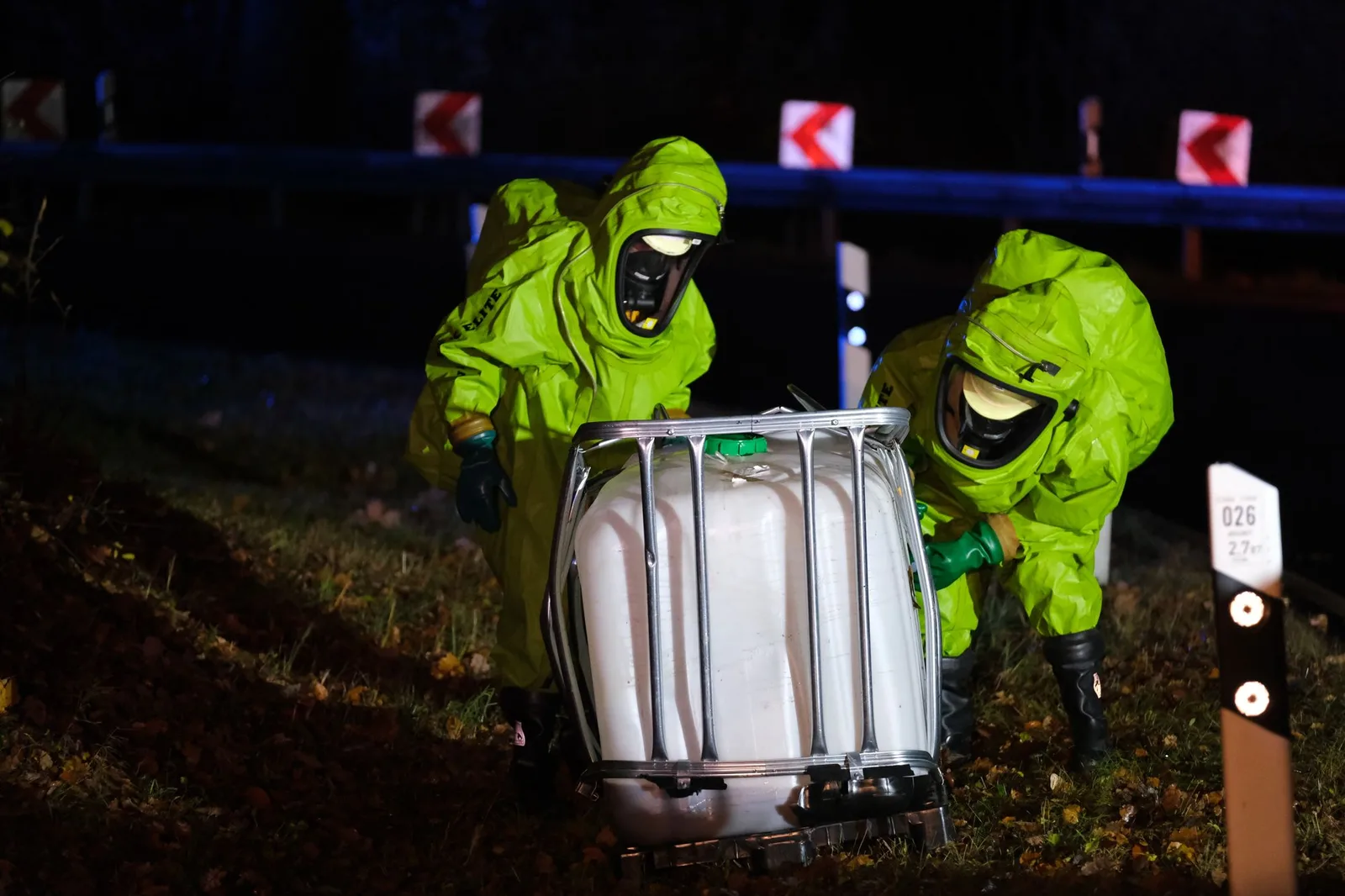
Oilfield environmental cleanup in the Permian Basin
Oilfield environmental cleanup means removing spilled or leftover material from a site and putting the ground back in usable shape. It can be a small leak around a wellhead, a release at a tank battery, trash and debris left after a job, or a full location being returned to the landowner.
In Texas, the Railroad Commission oversees cleanup of oil and gas sites, and landowners and operators often have their own requirements on top of that. The work usually combines several steps: stopping the source, recovering liquids, removing affected soil, bringing in clean fill, and grading or reseeding.
We do cleanup and site restoration on oilfield locations across the Permian Basin. When a job needs liquids pulled or dirt moved, we can bring our vac trucks and dirt work crews to it.
How a job works
- Site detailsSend the location, what was released or left behind, and photos.
- Cleanup planWe scope liquid recovery, soil removal and hauling for the site.
- Recover and removeLiquids are pulled and affected material is dug out and hauled.
- RestoreFill and grading return the surface, and records of what left the site are kept.
Common jobs

What affects scheduling and price
Cleanup jobs are priced on scope: how large the affected area is, what the material is, how deep the soil is affected, how far it has to be hauled and where it can be disposed of. Testing and reporting requirements also add time.
Urgency matters most for scheduling. An active release needs immediate response; restoration work can usually be planned. Photos and a rough size of the area help us scope faster.
Safety basics
Released fluids can carry H2S and other hazards, and soil around leaks may hide damaged lines. The source should be isolated before cleanup starts, and anyone on site should know the location's H2S status. Keep records of what was removed and where it went, since operators and regulators often ask for them.
How to prepare the site
To prepare, keep traffic and livestock off the affected area, leave any temporary containment in place, and take photos from a few angles before anything is moved. Note when the release happened and roughly how much was lost if you know. If the landowner has requests about fill, fencing or reseeding, pass them along early so the restoration plan matches what they expect when the job is closed out.
What to have ready when you ask for a quote
- Lease name, location pin and operator
- What was released, or what needs to be removed
- Rough size of the affected area, with photos
- Whether the source is stopped
- Any testing or reporting your operator or landowner requires
- Site contact and access notes
Area served
Midland, Odessa and job sites across the Permian Basin. Tell us where the work is when you ask for a quote.
FAQ
What kind of cleanup do you do?
Cleanup and site restoration on oilfield locations. Describe the site and we will tell you what we can take on.
Who regulates oilfield spill cleanup in Texas?
The Railroad Commission of Texas oversees oil and gas sites. Operators and landowners may have additional requirements.
Can you handle the liquid recovery too?
Yes. We run vac trucks and can pull liquids as part of a cleanup.
How is a cleanup job priced?
By area, material, depth of affected soil, hauling distance and disposal. We quote after we see photos or the site.
What should I do right after a spill?
Stop the source if it is safe, keep people clear, contain what you can and follow your operator's reporting steps.
Can you respond outside business hours?
We are open 24/7. Send the location and details any time.
Need environmental cleanup in the Permian?
Send the location and the job details. We reply 24/7.
Request a quote