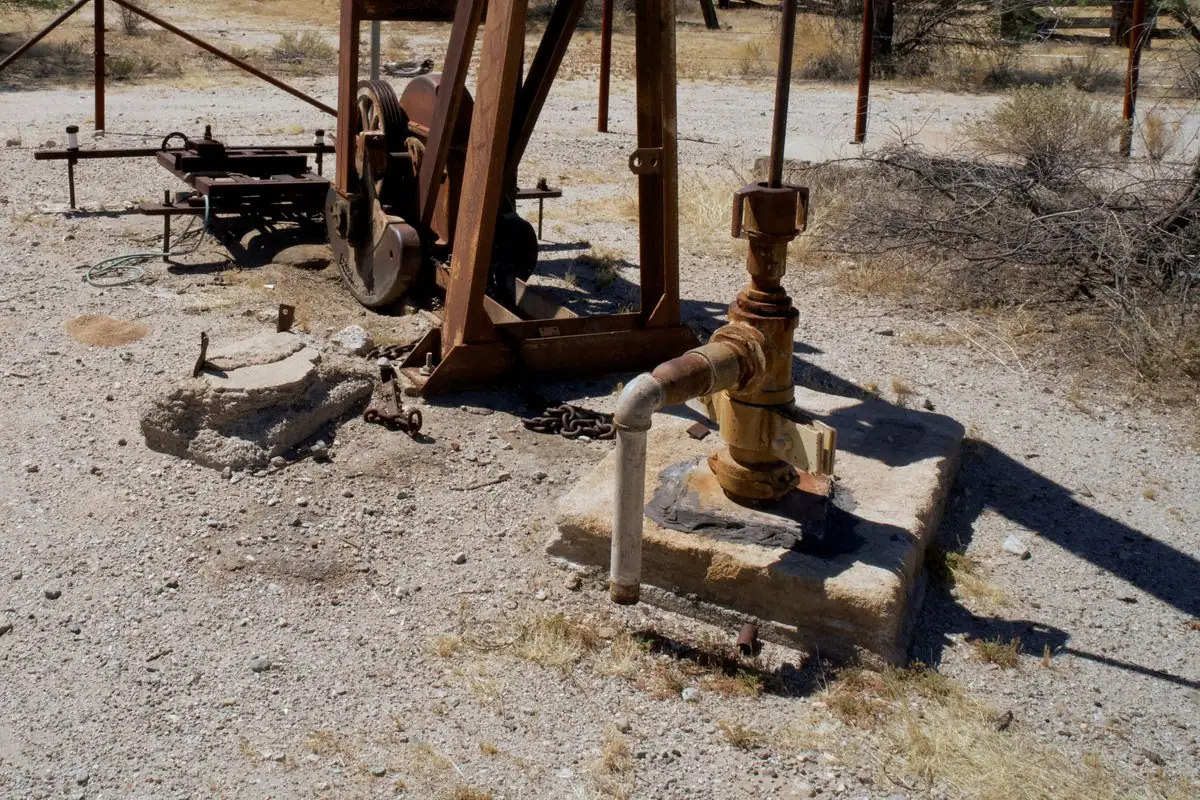
Photo: Strange Happenings via Pexels
In Texas, the Railroad Commission's Statewide Rule 14 gives the operator 120 days after a well is plugged to clean up the surface. In that window the operator must fill the rathole, mouse hole and cellar; empty all tanks, vessels, related piping and flowlines that will not be used in continuing lease operations; remove those tanks, vessels and related piping; remove loose junk and trash; and contour the location to discourage pooling of surface water. Pits must be closed under the Commission's pit rules in Chapter 4. The district office can give up to 120 more days to remove tanks, vessels and related piping (16 TAC §3.14(d)(12)).
What Rule 14 does not do is require you to pull up the caliche pad or reseed the location. That is set by the lease, the surface use agreement or a deal with the landowner.
The plugging timeline at a glance
| Step | Rule 14 requirement |
|---|---|
| When plugging must start | Within one year after operations cease, unless the well has a plugging extension under Rule 15 |
| Notice to the district | Notice of intention to plug at least 5 days before; notify the district at least 4 hours before work starts |
| Notice to the surface owner | Hand-delivered to the owner (or resident, if the owner is absent) at least 3 days before, or mailed first class at least 7 days before |
| At the wellhead | A 10-foot cement plug at the top; casing cut off 3 feet below ground |
| Plugging record | Filed within 30 days after plugging |
| Surface cleanup | Within 120 days after plugging; up to 120 more for tanks, vessels and related piping with district approval |
Source: 16 TAC §3.14, current version effective July 1, 2025. Older copies of the rule still circulate online, so check the effective date on anything you rely on.
What has to come off the location
The 120-day list is short but specific:
- Holes: the rathole, mouse hole and cellar get filled.
- Tanks and vessels: emptied and removed, unless they still serve the lease.
- Related piping: emptied and removed if it is not used for continuing operations.
- Flowlines: emptied. Rule 14 lists flowlines among the things to empty, but its removal requirement covers tanks, vessels and related piping.
- Junk and trash: loose material gets hauled off.
- Grade: the location is contoured so surface water does not pool.
Rule 14 defines "related piping" as surface piping, and piping less than three feet deep, that runs between equipment at a collection or treatment facility. It covers piping among headers, manifolds, separators, storage tanks, gun barrels, heater treaters and dehydrators. Flowlines, gathering lines and injection lines that run to and from the facility are not "related piping." Whether a buried flowline comes out is usually a question for the surface agreement.
On a multi-well lease, equipment that still serves other producing wells can stay. The rule is aimed at what the plugged well leaves behind.
Pit closure deadlines
Pits are closed under Chapter 4, Subchapter A of the Commission's rules. For pits authorized without a permit, the deadlines in Schedule A of 16 TAC §4.114 depend on the pit type and its chloride content:
| Pit | Dewater | Backfill and compact |
|---|---|---|
| Reserve, mud circulation or makeup pit, chlorides 6,100 mg/L or less | Within 1 year after drilling stops | |
| Reserve, mud circulation or makeup pit, chlorides above 6,100 mg/L | Within 30 days after drilling stops | Within 1 year after drilling stops |
| Completion or workover pit | Within 30 days after work is done | Within 120 days after work is done |
Wastes must be disposed of before a pit is backfilled, and the responsibility stays with the operator after the lease expires or changes hands. Permitted pits follow their own rules: §4.154 calls for dewatering within 120 days after use stops, backfilling within 120 days after the closure sampling is approved, and reseeding with native vegetation. Closure plans for permitted pits under §4.132 cover removing wastes and liners, removing dikes, backfilling, contouring and reseeding, and sampling soil.
What the lease decides, not the rule
Many landowners expect more than Rule 14 asks for. Common terms in surface use agreements include:
- Removing the caliche or gravel pad and lease road, or leaving the road for the ranch (see caliche pads and lease roads)
- Ripping compacted ground so it can take water and seed
- Reseeding with a named seed mix, and how long the operator stays on the hook if it does not take
- Fences, cattle guards and gates put back the way they were
Read the agreement before you bid the work, and walk the site with the landowner if you can. If the pad was kept bare with soil-residual herbicide, check what was applied before spreading pad material onto pasture or seeding it. Our bare ground herbicide guide explains why treated soil should not be moved onto ground you want to grow.
If you find contamination
Pulling tanks and lines is when old leaks show up. Stained soil around a former tank battery or a flowline riser points to a past release. For crude oil, the RRC's spill notice and cleanup rules (Rule 20 and Rule 91) set the process. See Texas RRC spill cleanup rules, and for brine scars, saltwater spill cleanup in Texas. Tubulars and vessels that held produced fluids can also carry naturally occurring radioactive material (NORM) scale, which Texas regulates (25 TAC §289.259). Have equipment surveyed before it goes to a salvage yard.
Idle wells that are not plugged yet
If a well is inactive and you are applying for a plugging extension under Rule 15, some of the cleanup comes before plugging. Every extension application must affirm that electric service to the well site has been physically cut off. If the operator does not own the surface, wells inactive at least 5 but less than 10 years must have all piping, tanks, vessels and equipment that serve only that well emptied or purged of production fluids. At 10 years or more, all surface equipment and related piping, tanks, tank batteries, pump jacks, headers, fences and firewalls that serve only that well must be removed, open pits closed, and junk and trash hauled off.
A closeout checklist
- Date-stamped photos of the location before and after work
- Manifests for every load of fluid, waste and contaminated soil hauled off
- Pit closure records and any sample results
- The plugging record and the date it was filed
- A sign-off walk with the landowner when the surface agreement calls for one
Plugged wells to clean up? We pull tanks and lines, haul off junk and contaminated soil, and do the dirt work to contour or rip the location.
Get a site cleanup quoteFAQ
How long do you have to clean up a well site after plugging in Texas?
Under RRC Rule 14, 120 days after plugging. The district office can extend the removal of tanks, vessels and related piping by up to 120 more days.
What has to be removed from a plugged well site in Texas?
Tanks, vessels and related piping not used for continuing lease operations, plus loose junk and trash. Flowlines must be emptied. The rathole, mouse hole and cellar must be filled and the location contoured so water does not pool.
Does Rule 14 require removing the caliche pad?
No. Rule 14 does not mention removing caliche or reseeding. Those obligations usually come from the lease or the surface use agreement with the landowner.
How deep is casing cut off when a Texas well is plugged?
Rule 14 requires casing to be cut off 3 feet below ground level, with a 10-foot cement plug at the top of the well.
When does a reserve pit have to be closed in Texas?
Under 16 TAC §4.114, a reserve pit with chlorides of 6,100 mg/L or less must be dewatered, backfilled and compacted within one year after drilling stops. Above 6,100 mg/L, it must be dewatered within 30 days and backfilled within one year.
Do I have to notify the surface owner before plugging?
Yes. Rule 14 requires notice to the surface owner, hand-delivered at least 3 days before plugging or mailed at least 7 days before.